A Practical Guide to Medical Alarms NZ for Seniors and Their Families
When my mother first mentioned she was worried about falling in the bathroom, I did what any daughter would do: I started researching medical alarms NZ options. It was a subject I knew almost nothing about, and the range of devices, contracts, and claims was overwhelming. Over the next few months, I learned that choosing the right system is not just about buying a gadget. It is about understanding how a person lives, what risks they actually face, and how the technology fits into their day. This article draws on that experience and on conversations with care professionals across New Zealand to help you make a better-informed decision.
What a Medical Alarm Actually Does
A medical alarm, at its simplest, is a device that lets a person call for help when they cannot reach a phone. But the category has grown far beyond the old pendant that only works inside the home. Modern personal medical alarms include fall detection, GPS tracking, and two-way calling. Some systems connect to a monitoring centre; others alert family members directly. The best choice depends on the senior's lifestyle, health conditions, and how much independence they want to keep.
For many seniors in New Zealand, the idea of losing independence is harder to accept than the risk of injury. They want to age in place, in the home they know, near their neighbours and familiar streets. Medical alarms NZ can make that possible. But only if the device is reliable and the person actually wears it. That last point is more important than most people realise.
Why Wearing the Device Matters
I spoke with a coordinator at Care NZ who told me that the biggest issue is not technology failure but human behaviour. Seniors take off the pendant to shower, hang it on a hook, and then forget to put it back on. A fall happens in that gap. Some newer devices are waterproof and can be worn in the shower, which helps. But the habit of wearing it every waking hour takes time to form. A system with automatic fall detection can help bridge those moments when a person forgets to press the button, but even those have limits. If a fall is slow or the person lowers themselves carefully, the sensor may not trigger. So the human habit of wearing the device still matters.
Fall detection technology has improved a lot in recent years. Systems like those from Philips Lifeline and Fall Alert use accelerometers and gyroscopes to sense a sudden impact and then a period of stillness. But no sensor is perfect. The trade-off is between sensitivity and false alarms. A sensor that goes off every time someone bends over to tie a shoe becomes annoying, and people stop wearing it. A sensor that only triggers on a hard fall might miss a slow collapse. The best approach is to have both a fall detection feature and a manual button, and to test the system regularly with the person wearing it.

GPS Tracking and Staying Active
One of the most useful features for active seniors is GPS tracking. My neighbour, a retired teacher in Auckland, walks her dog every morning along the coast path near Manukau. She uses a medical alarm with built-in GPS so her daughter, who lives in Wellington, can see her location if she does not return home on time. This feature gives both of them peace of mind without making the mother feel watched. The two-way calling function also means that if she gets lost or has a minor problem, she can speak directly to a family member or a monitoring service, depending on the system.
GPS tracking is not just for walks. It also helps seniors who still drive short distances. A person with mild memory issues might forget the route home from the supermarket. A medical alarm with GPS can alert a family member if the wearer leaves a defined safe zone, such as their suburb. This is sometimes called geofencing, and it is a practical way to balance independence with safety.
Monitoring Options: Family vs. Professional
There are two main ways a medical alarm alert gets handled. The first is a professional monitoring centre, like the one run by St John New Zealand. When the alarm is pressed, a trained operator answers, assesses the situation, and sends help. This is a good option for seniors who live alone and do not have a family member nearby who can respond quickly. The second option is family monitoring, where the alert goes directly to a designated relative or friend. This works well when someone lives close enough to check in.
What is less discussed is the cost difference. Professional monitoring often involves a monthly subscription fee. Some services, like those offered by Familyr, provide personal medical alarms with no monthly fees. The device is purchased once, and there is no ongoing contract. That can be a significant saving over time, especially for seniors on a fixed income. The trade-off is that the family takes on the responsibility of responding to alerts. For some families, that works fine. For others, the extra cost of professional monitoring is worth the guarantee that someone will always answer.

What the Ministry of Health NZ and Other Bodies Say
The Ministry of Health NZ encourages ageing in place and supports initiatives that help seniors stay in their own homes longer. While the Ministry does not endorse specific brands, it provides funding through some district health boards for assistive technology, including medical alarms. The eligibility criteria vary by region. In Canterbury, for example, there are programmes that subsidise the cost of personal medical alarms for people assessed as high risk. In other regions, you may need to go through a needs assessment with a local provider. It is worth checking with your local DHB or with organisations like St John New Zealand, which sometimes offers equipment loan programmes.
Research from the Health Quality and Safety Commission shows that falls are the leading cause of injury-related hospitalisation for older New Zealanders. The data is sobering, but it also shows that many falls happen in the home, often in the bathroom or on the stairs. A medical alarm, especially one with automatic fall detection, can reduce the time a person lies on the floor after a fall. That delay matters. A long wait increases the risk of dehydration, pressure injuries, and complications from the injury itself.
Comparing Some Options in the New Zealand Market
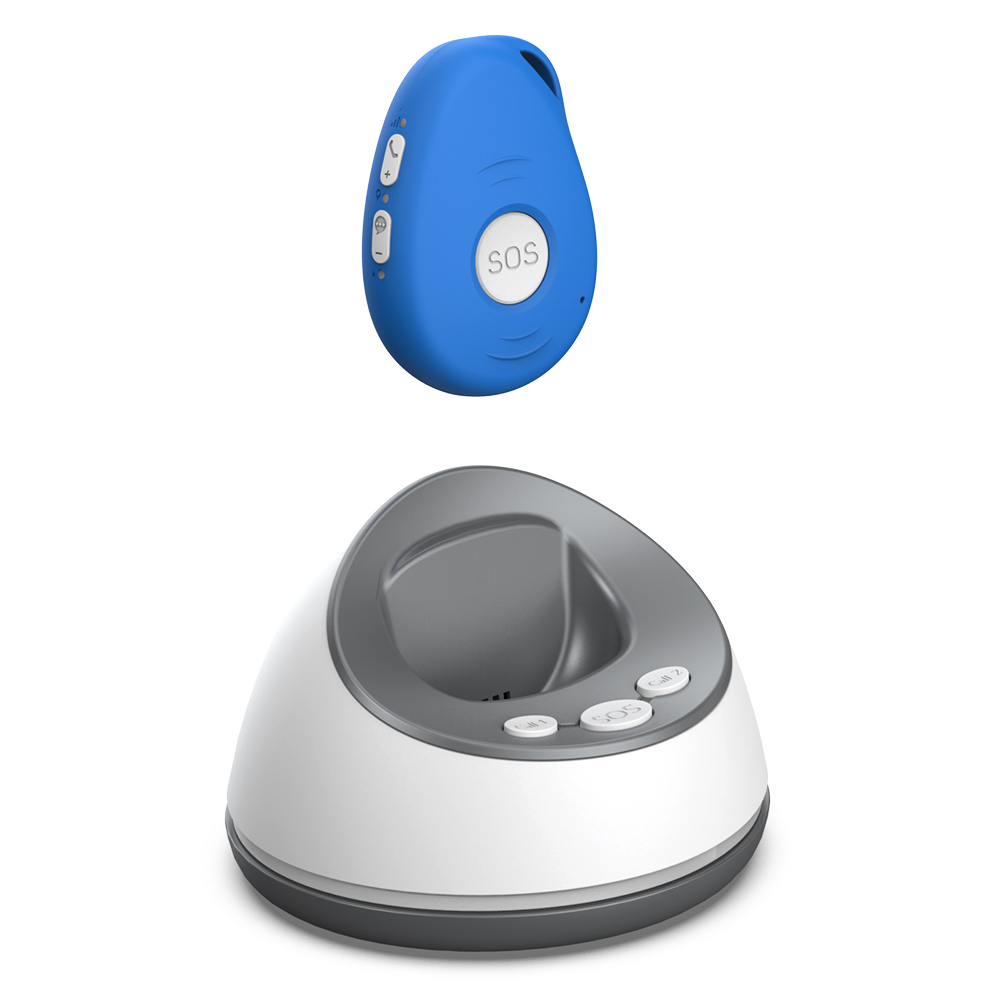
If you search for medical alarms NZ, you will find several brands. Philips Lifeline is one of the best-known internationally and has a presence here. Their systems are reliable, but they typically require a monthly subscription. Vayda is another option that offers GPS and fall detection with a monitoring service. Fall Alert is a New Zealand-based company that sells devices directly, with no ongoing fees. Familyr is a newer entrant that focuses on family-monitored systems with no monthly fees, and it includes GPS tracking and two-way calling. The right choice depends on your family's situation.
The most important thing is to test the device in the actual environment where it will be used. A pendant that works well in a showroom might not work as well in a house with thick concrete walls in Christchurch or in a rural property with a long driveway. Ask about the communication technology. Some devices use cellular networks, which have good coverage across most of New Zealand but can fail during a power outage if the cell tower goes down. Others use a combination of cellular and landline. A few years ago, the 2G network shutdown in New Zealand made some older medical alarms obsolete. If you are buying a new device, check that it uses 4G or 5G, or at least that the manufacturer has a plan for network transitions.
Practical Steps Before You Buy
- Talk to the senior about their daily routine. Do they go outside alone? Do they shower without help? Do they have a neighbour or family member nearby?
- Check the coverage in your area. A GPS tracker is only useful if it can get a satellite signal. In dense urban areas like Auckland or Wellington, that is usually fine. In rural parts of the South Island, it may be less reliable.
- Consider the battery life and charging routine. Some devices need to be charged every night, like a mobile phone. Others have batteries that last weeks. A senior who is not used to charging a device may prefer a long-life battery.
- Read the contract carefully. Look for hidden fees, cancellation terms, and what happens if the device is lost or damaged. With no monthly fees plans, the upfront cost may be higher, but there are no surprises later.
Bringing It All Together
Choosing a medical alarm is not a one-size-fits-all decision. It is a tool that works best when it matches the person's life and the family's capacity to help. The technology is good and getting better. Fall detection, GPS tracking, and two-way calling are all genuinely useful features. But the human factors - wearing the device, having someone who can respond, and trusting the system - matter just as much. If you are looking into medical alarms NZ for a family member, take the time to involve them in the decision. Let them try a device for a few days before committing. And remember that the goal is not just safety. It is enabling them to live the life they want, with a little less worry for everyone.